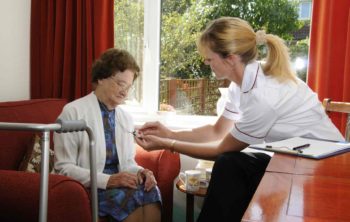
A medical alert device or medical alert system may one day save you or a loved one. They are a valuable use of our modern day technology and every senior or elderly person should own one.
Whether you are at home or out and about, these compact devices can alert loved ones when there is an emergency, in some cases providing a direct communication to 911 and other emergency services. With the press of a button, you can let someone know you are in trouble and have help on the way. Some devices also have fall detection, which will notify others if you fall down.
When emergencies happen, a medical alert device can provide life-saving communications that give seniors and their loved ones a sense of peace knowing there is a safety net. There is now a large market for a wide range of devices and the services that go with them. Technological advances have improved the performance and features of medical alert systems, making the devices easier than ever for seniors to operate and maintain.
Medical Alert Devices: Understanding Your Options
Sifting through the myriad of options to find the system that best suits your needs and budget can be a daunting task. Care must be taken to make sure you have a full understanding of the device you are purchasing, the options and features that come with it, and the service terms and cost expectations that go along with the purchase of the system.
Devices for medical alert systems are typically compact, lightweight pendants that can be worn around your neck or on your wrist. The service systems that come with the devices may be monitored or non-monitored. The main difference between the two types of service is an additional monthly fee associated with monitored systems, while the non-monitored systems require only the purchase of the device.
- Monitored alert systems: Medical alert systems that are monitored allow users to connect to a live person through cellular networks by pressing a button on their device. Some systems can also instantly communicate your location via GPS tracking technology. Two-way communication may be available within range of the base in your home or cellular service may enable the device to be used anywhere there is cellular service available. Some monitored alert systems also offer fall detection protection with the purchase of the service, while it is an additional charge for others.
- Non-monitored alert systems: When the device's button is pressed on a non-monitored medical alert system, a set number of pre-programmed phone numbers of the user's friends or family will instantly be called. Systems will either allow two-way conversations on the device or they will play a pre-recorded message for your contacts to alert them of an emergency situation.
When choosing a device, it is important to make sure you know the contractual and financial service obligations before making any purchases. Be sure to read any of the fine print and call Amazon or any other vendor if you have any questions about a specific device.
Our Top Picks

LifeStation Mobile GPS Medical Alert Device
LifeStation offers GPS tracking, fall detection, and a nationwide cellular connection. The lightweight pendant works anywhere — home, yard, or on the go. No landline required.
Pros
- Built-in GPS tracking — works anywhere
- Fall detection included
- No landline required
Cons
- Monthly monitoring fee required
GPS SmartSole
A GPS tracker hidden inside a shoe insole — perfect for seniors with Alzheimer's or dementia who may wander. The caregiver can track location in real time via an app.
Pros
- Discreet GPS tracking via shoe insole
- Great for dementia and Alzheimer's patients
Cons
- Requires smartphone app — no standalone alert button

MobileHelp Classic
An affordable, reliable home-based medical alert system with excellent range. The lightweight button is waterproof and comfortable to wear in the shower — where many falls happen.
Pros
- Simple one-button operation
- GPS + WiFi location tracking
- Affordable monthly plans
Cons
- Fall detection costs extra per month

Medical Guardian In-Home System
Medical Guardian offers one of the best fall detection systems on the market. The in-home system includes a base station and waterproof pendant with a range of up to 1,300 feet.

Bay Alarm Medical
One of the most affordable medical alert services with no long-term contracts. Bay Alarm Medical uses AT&T's cellular network for reliable coverage без a landline.

GreatCall Lively Mobile
GreatCall (now Lively) combines a medical alert with a simple cell phone. Features urgent response, fall detection, and a nurse hotline. Excellent for active seniors.
Life Alert
The original "I've fallen and I can't get up" company. Life Alert has a proven track record and their own monitoring centers. Reliable, but pricier than competitors with long-term contracts.

LogicMark FreedomAlert
A two-way voice pendant that works with any phone line — no monthly fees. You program it with your own emergency contacts. Great for seniors who don't want a monitoring subscription.
MedScope Alert Pendant
A simple, affordable medical alert pendant for home use. Works with a landline. No frills, but reliable and easy to use for seniors who just need basic emergency calling.
Buying Guide
Final Editorial Verdict
A Mobile Alert Device Can Save Your Life
Mobile alert systems specially designed with seniors in mind can provide the extra time to help in an emergency situation when you need it most. Immediate notification to emergency medical personnel can be the key to getting the assistance you need, or even saving your life.
Deciding on which device to purchase depends on your individual needs and preferences. If you are a senior who does not leave the house, you may not need the additional GPS tracking service. If you are more active and mobile, you will want the added protection of being able to communicate instantly if there is a medical emergency, or even to find your way home if you get lost.
Fall detection is offered standard with some systems, while some charge an additional fee or offer the service only in higher pricing plans. The technology for fall detection is still evolving and is not always completely reliable. If you are a high risk for falls, this feature may be worth the additional cost and evolving operational deficiencies.
Picking the Best Medical Alert Device for You
The most important factors in the process of deciding which medical alert device to purchase is to make sure you get one that fulfills your personal needs. Also, know what you are signing up for and read the fine print. Contract requirements vary with each company and each promotion.
Seniors have been taking advantage of medical alert devices and medical alert systems for decades. As technology has advanced, the quality and speed of medical alert devices has greatly improved and lives have been saved as a result. Today's seniors are more active and mobile than any generation before. They are relying on these devices to live longer, healthier, and more active lives, knowing that help is always available at the press of a button.